
Overview
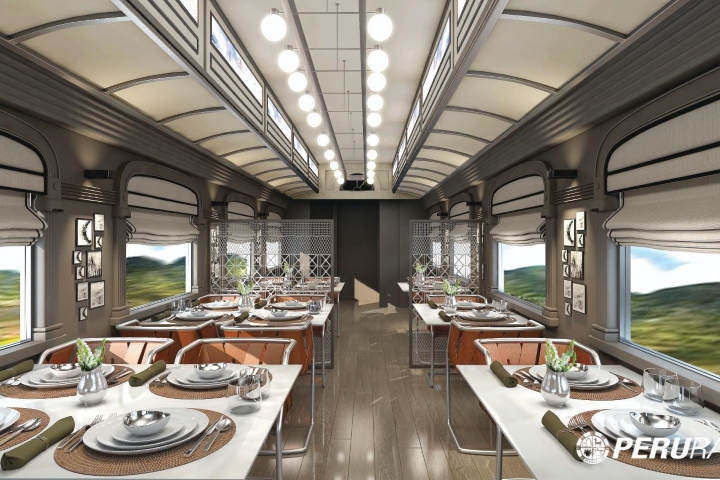
Journey through Peru's magnificent landscape in style, on board the new Andean Explorer luxury train. New for May 2017, the Andean Explorer is the first luxury sleeper train in South America. On the journey, indulge in beautifully designed cabins inspired by Peruvian tradition, enjoy fine dining in two Restaurant Cars with fresh, local ingredients, relax in the Lounge Car with its bar and baby grand piano, and watch the scenery pass by on the Observation Car's open deck. Framed by luxury, this round-trip adventure from Lima and into the heart of Peru will leave you in awe.
On this journey, you will step into the ruins of the Inca Empire and learn about its might. This tour includes a visit to Machu Picchu, one of the most recognizable destinations in the world. You will also visit Lake Titicaca and be welcomed by the local communities, learning about the people who have lived on this lake for centuries. Glorious landscapes, warm cultures, magnificent ruins, and historic cities all await on this journey into the Peruvian Highlands.
Itinerary
Lima - Welcome to Lima
- Arrival in Lima, reception and transfer to Hilton Miraflores Hotel
- Accommodation at the hotel and overnight
Lima - Tour of Casa Aliaga
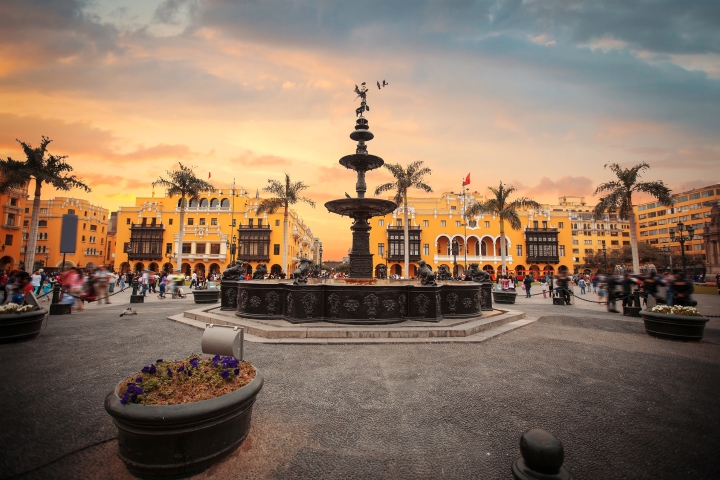
- Breakfast at hotel
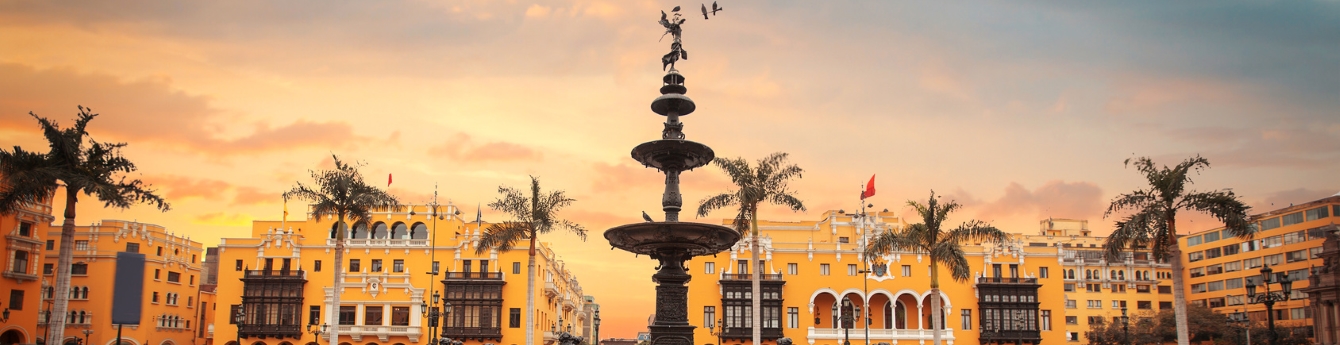
- Morning tour of Lima, modern and colonial parts including the Colonial house “Casa Aliaga”
- Afternoon at leisure
Lima to Cusco - Travel to the Inca Capital of Cusco
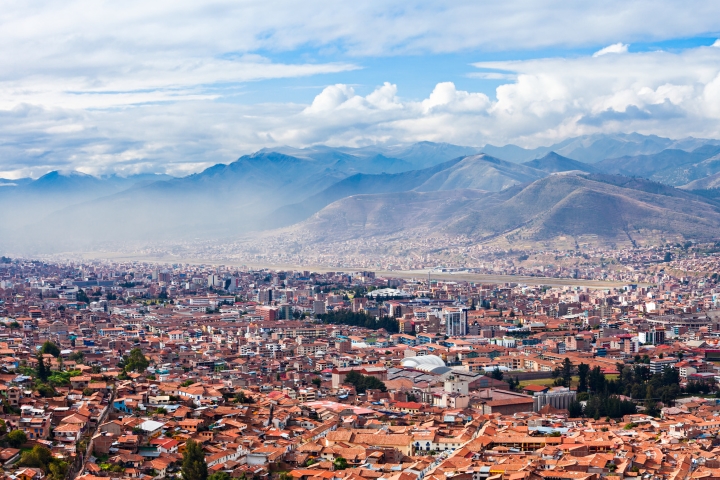
- Breakfast at hotel
- Morning flight Lima/Cusco
- Reception and transfer to Palacio Del Inka A Luxury Collection hotel
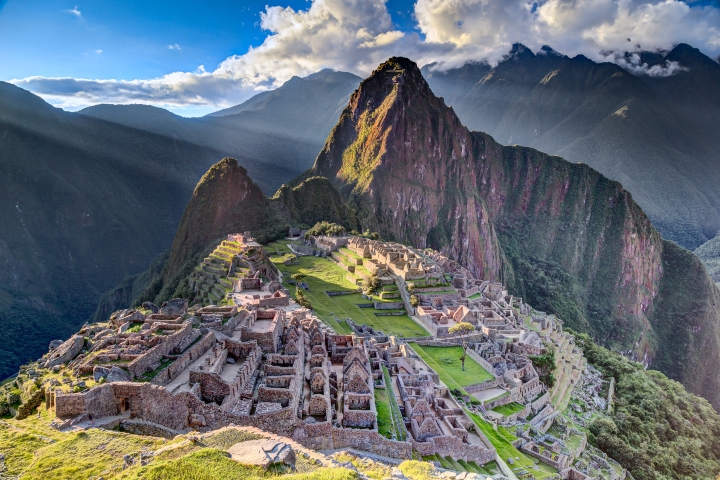
Cusco to Machu Picchu's Grandeur
- Breakfast at hotel
- Transfer to Poroy train station where we will board the Vista dome train to Machu Picchu (first class)
- 3 ½ journey
- Upon arrival, meeting service at the train station and transfer by shuttle bus up (25 minutes) to the citadel of Machu Picchu located on the top of the mountain
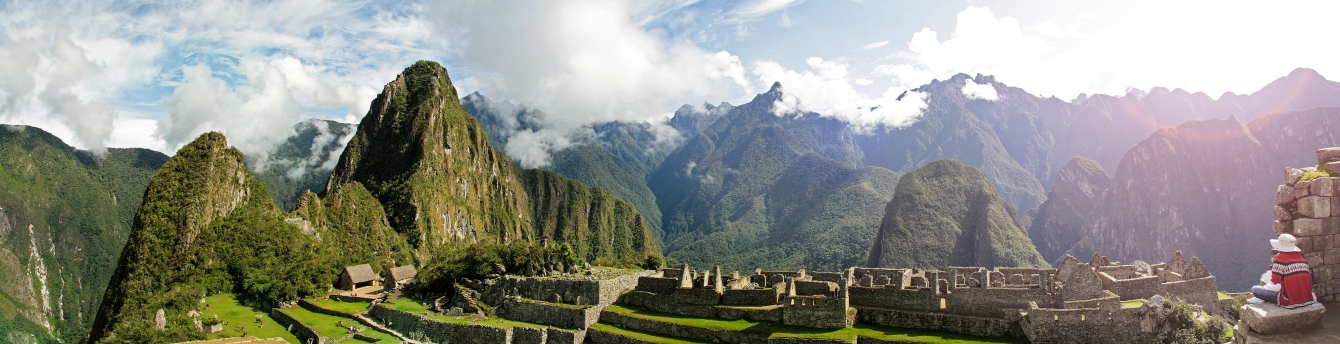
- Guided visit of the Citadel
- Lunch at the Machu Picchu Sanctuary Lodge hotel
- Afternoon Vistadome train back to Cusco
- Upon arrival, meeting service at the train station and transfer to the hotel
Cusco to Puno - Visit to Raqchi
- Breakfast at hotel
- Transfer to the train station
- 11:00 hrs Transfer to the train station to board the Andean Explorer train to Puno
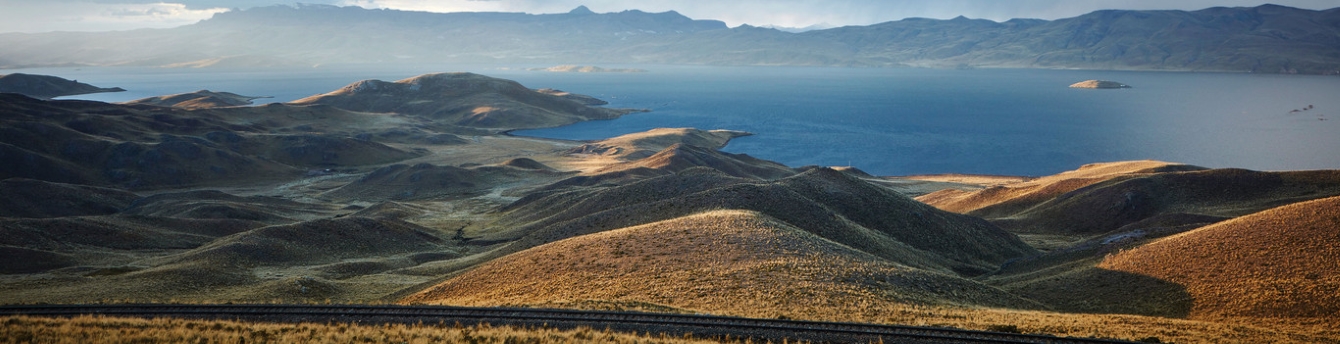
- Program Peruvian Highlands, visit to Raqchi archaeological site, lunch, tea time, Sunset at La Raya, cocktail and dinner on board
- 22:15 Arrival to Titicaca Lake station
Puno to Arequipa - A Day on Lake Titicaca
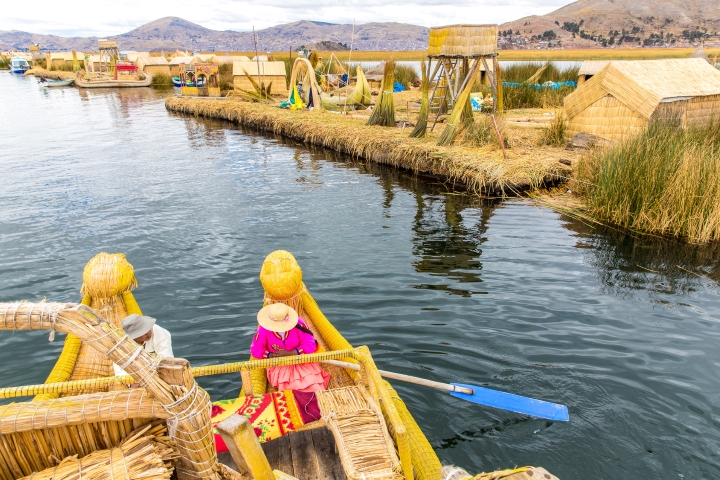
- Sunrise at Titicaca lake
- Breakfast on board
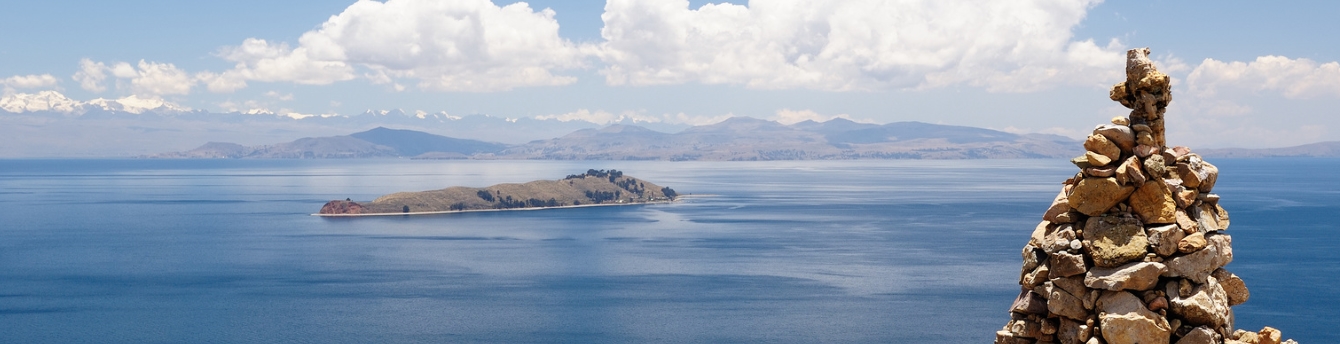
- Continue to a full day tour to the Titicaca Lake, Uros and taquile islands (Collata beach), lunch and typical dances show
- Tea time and departure to Arequipa. Dinner on board
Arequipa to Lima - Sumbay caves
- Breakfast in Lagunillas
- Visit to Sumbay caves, lunch on board
- Arrive in Arequipa, transfer to the airport
- Flight Arequipa/Lima
- Arrival in Lima and connection with the international departure.
Book This Tour
Terms & Conditions
PAYMENT TERMS:
20% of total tour cost due at the time of booking
Remaining balance due no later than 65 days prior to tour departure date
CANCELLATION FEES:
(i) 20% of the total tour value if cancelled 61 days or more prior to date of first service sold by TRAVBUZZ / PALACE TOURS
(ii) 100% of the total tour value if cancelled under 60 days prior to date of first service sold by TRAVBUZZ / PALACE TOURS
Cancellations should be intimated by FAX to the corporate office in Miami FL.
We strongly recommend purchasing travel insurance to cover the losses incurred in case of cancellation. For information on available plans or to purchase travel insurance, please visit www.palacetours.com/insurance.
Tips & FAQ
What is the weather like?
Peru’s climate can be divided into two seasons - wet and dry - though this can vary depending on the region. Temperature is mostly influenced by elevation: the higher you climb, the cooler it becomes.
Coastal areas - Lima, Ica, Nasca, Arequipa:
The coastal region of Peru is cool for its latitude and quite dry year-round. Temperatures are warmest during the summer months (December to March), with hot and humid days of around 29°C (84°F) and cool nights of just below 20°C (68°F). Winters (from April to November) are not too cold but extremely humid.
Highlands (Andes) - Cusco, Puno:
The highlands have a rainy season (November to April) and a dry season (May to October), when the days are clear and sunny but very cold at night especially at altitude. Dry season is therefore ideal for trekking and for mountaineering. Daytime temperatures will generally be between 16°C- 21°C (60°F and 70°F), although in the intense sunlight of midday it can feel warmer. Night time temperatures can fall as low as -7°C (20°F).
What clothing and other items are recommended to bring?
Please dress comfortably according to the local weather conditions. We recommend bringing sweatshirts, fleece jacket, raincoat, trousers, cargo shorts, t-shirts, hat, hiking shoes, sandals, swimsuit, toiletries, first-aid kit, insect repellent, aspirin, sun block and sunglasses.
What health precautions should I take before visiting Peru?
You should visit your personal physician for a check-up prior to taking your trip to Peru. The following are the recommended vaccinations for Peru: diphtheria, tetanus, polio, typhus, hepatitis A/B, rabies. P A yellow-fever vaccine is strongly recommended for trips to the Amazon (Puerto Maldonado or Iquitos). The vaccine is required for all travelers arriving from a yellow-fever-infected country in Africa or Latin America. The yellow-fever certificate is valid 10 days after vaccination and for a subsequent period of 10 years. Malaria is prevalent in northern parts of Peru and in Iquitos (Amazon). The Center for Disease Control and Prevention (www.cdc.gov) recommends taking anti-malarial drugs. Please refer to your doctor for the most up to date information about anti-malarial medication.
What precautions against mosquitoes do I need to take?
You will find mosquitoes and other stinging insects especially in the rainforest. A good protection not only prevents from itching but also from transmission of diseases such as Malaria or yellow fever. Wear light-colored clothing, long trousers and long-sleeved shirts; use mosquito repellents containing the compound DEET on exposed areas; avoid perfumes and aftershave. Use a mosquito net impregnated with mosquito repellent (permethrin). In case you have a very sensitive skin you could use an anti-allergic cream, for example ‘After bite’ or ‘Bite away’ that reduces the itchiness. Double-check that your lodge provides a mosquito net in your room.
Is the water safe to drink?
The standards for health and hygiene in the larger cities and tourist regions are relatively high. Nevertheless, travelers should drink only bottled water, which is widely available. Do not drink tap water, even in major hotels, and try to avoid drinks with ice. If you’re trekking in the mountains or visiting remote rural areas where bottled water is not available, boil water to purify it or use water-purification tablets. You are safer eating fruits that you can peel or salads and fruits washed with purified water, as well as foods that have been thoroughly cooked. Your best bet is to avoid food from street vendors.
What should I expect regarding altitude sickness?
For a healthy person traveling to the Andes, there is just a minimal risk of suffering from altitude sickness. You should take enough time to acclimatize after arrival, especially in Andean cities like Cusco3,360m (11,023ft) or Puno 3,827m (12,556ft). We recommend avoiding physical efforts during the first few hours as well as alcohol. Try to eat light food and drink a lot of water. The local coca tea is recommended in case of altitude sickness. People with cardiovascular disease should not stay in an altitude over 2,000m. Altitude sickness can be counteracted by inhaling pure oxygen, and oxygen bottles can be purchased locally.
What is the official currency?
Peru's official currency is the Nuevo Sol, divided into 100 centavos. The US dollar is the second currency and many hotels, plenty of shops, restaurants, and bars across Peru accept US dollars for payment. Partly, the Euro is also accepted. Banks are no longer the place of choice in Peru for exchanging money: Lines are too long and rates are often lower than at ‘casas de cambio’ (exchange houses) or by using credit or debit card ATMs or ‘cambistas’ (money-changers), which are legal in Peru. Money-changers, often wearing colored jackets with "$" insignias and photo checks, can be found on the street. They offer current rates of exchange, but count your money carefully and make sure you have not received any counterfeit bills. We recommend bringing USD cash for the first few days.
How common are ATMs? Can I exchange traveler’s checks?
Peru is still very much a cash society. In small towns, it could be impossible to cash traveler’s checks or use credit cards. Automatic teller machines (ATMs) are the best way of getting cash in Peru; they are found in most towns and cities. ATMs with the Maestro sign allow customers to withdraw money with a credit or debit card. Visa and MasterCard ATM cards are the most widely accepted. American Express and Diners Club are less common. You can easily pay with credit card in most of the stores in tourist cities. Note that many banks assess a 1% to 3% ‘transaction fee’ on all charges you incur abroad. Traveler's checks can be changed in the largest banks. Generally speaking you'll pay a service charge ranging from 1% to 4%. Most stores don’t accept traveler’s checks.
Will there be internet access or phone accessibility?
It is relatively simple to make local and long-distance domestic and international calls from pay phones, which accept coins and phone cards ‘tarjetas telefónicas’. Many of these cards can be purchased at newspaper kiosks and street vendors. Most phone booths display country and city codes and contain instructions in English and Spanish. Peru’s country code is +51. Roaming agreements exist with some international mobile phone companies. Mobile phones can be rented in Lima and the main cities. Internet access in Peru is very cheap. The rates vary between USD 0.50 and USD 1.00 per hour. Also, you will be able to find Internet Cafes, where most of the times you will be able to access for free via wireless Internet.
What are the guidelines for tipping?
A tip in Peru, like in most of the countries in South America, is given to reward good service. Porters in hotels and airports expect USD 1.00 for 2 luggage pieces. A 5-10% tip is sufficient in most restaurants unless the service has been exceptional. There is no need to tip taxi drivers. Fares are negotiated before departure. It is customary to offer your tour guides and driver a token of appreciation at the tour’s end, if you feel pleased with their service.
What should I know about taxis?
There are numerous taxi providers in Lima and other cities who offer reservations by telephone or hotel. These taxis are safer and drivers may understand some English. Street taxis are cheaper but not that safe. In any case, due to the fact there are no taximeters you should negotiate the price in advance.
Is bargaining common while shopping?
At stores and in open markets, bargaining (gentle, good-natured haggling over prices) is accepted and even expected. However, be careful of getting the haggling fever and trying to bargain beyond reason. Consider how important the one or two extra dollars are to you compared to how important they might be to the vendor. Bargaining is not common in restaurants.
What electric outlets are there?
All outlets are 220 volts, 60 cycles (except in Arequipa, which operates on 50 cycles) with two-prong outlets that accept both flat and round prongs. Some large hotels also have 110-volt outlets.
How much are airport taxes?
If the airport tax is not included you have to settle it after checking in at the airport. The amount depends on the place and kind of flight. It’s approximately USD 6.05 for domestic flights. You will be charged USD 30.25 for an international flight.
What safety issues do I need to be aware of?
Peru recognizes that tourism plays an important part in its developing economy and has taken great steps in the last few years to change its security record. The possibility of having a bad experience can be greatly reduced by taking a few simple precautions: - Copy all important documents (passport, air tickets) and carry only copies with you - Leave your valuables and important documents such as passport, international flight tickets, jewelry at the hotel, if possible in the safe. In case there is only one safe in the reception, obtain a receipt with each item listed. If necessary, carry important documents and cash in a belt under your clothes and do not leave items unattended. Be especially cautious in crowded places, especially at tourist hotspots such as Lima and Cusco; rural areas are widely safe. Remember that you are subject to the laws of Peru, and it is your responsibility to familiarize yourself with these laws before leaving. Drug trafficking is a serious crime, and the export of cultural or artistic items from the country is not permitted. Avoid walking alone in quiet areas or at night, travel in a group if possible and tell somebody where you go if you are alone. In case you get into trouble with authorities insist on seeing their identification. Check your change and check the banknotes and coins.
How many guests can the Belmond Andean Explorer accommodate?
A maximum of 68 passengers in 34 cabins.
Media Gallery
Machu Picchu
Cusco
Lake Titicaca: Floating Reed Islands
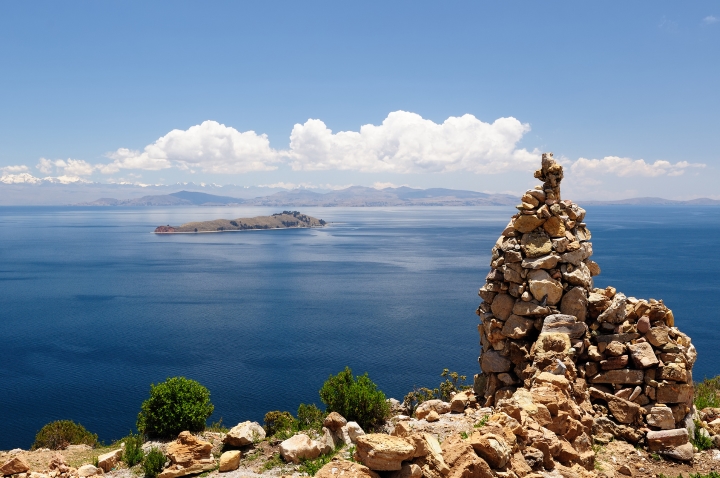
Lake Titicaca
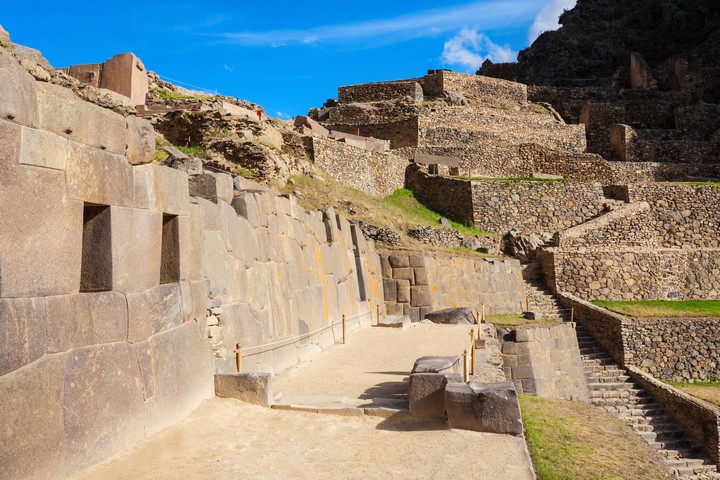
Ruins Outside of Cusco: Ollantaytambo
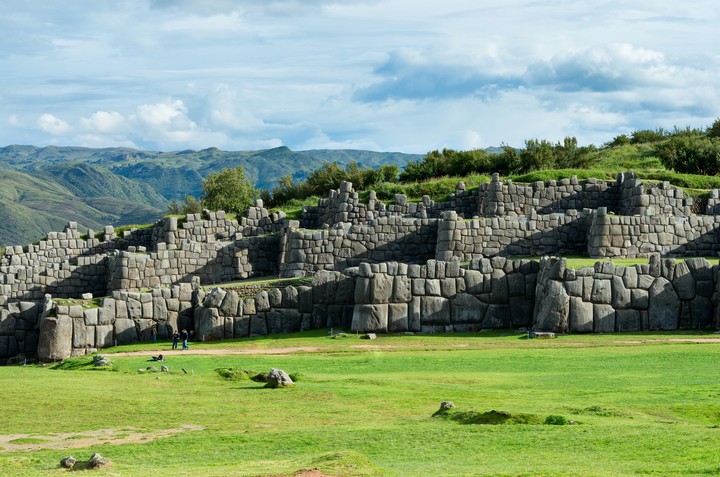
Ruins Outside of Cusco: Sacsayhuaman
Lima
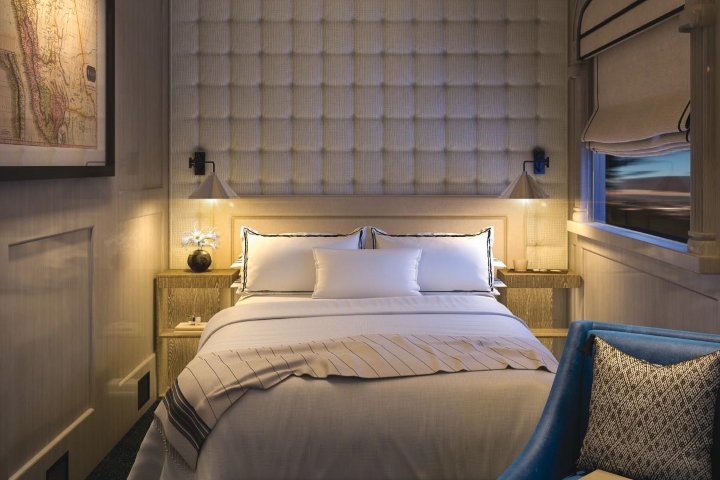
Double Cabin Interior
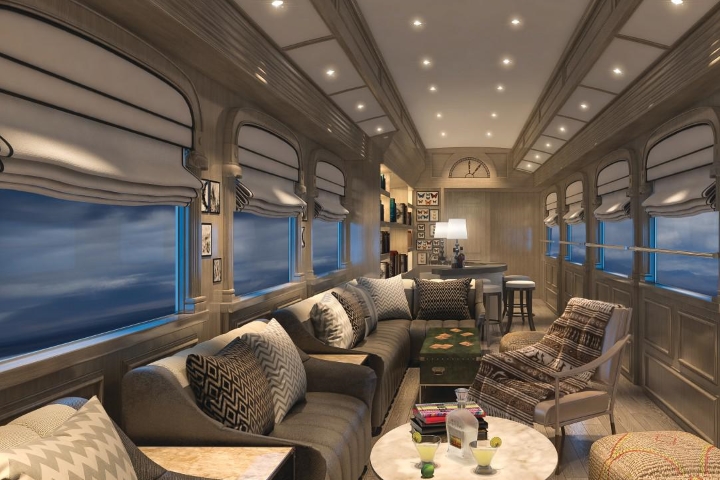
Lounge Car
Restaurant Car